How Prolonged Stress Can Impact Your Heart Health and Overall Wellbeing
A comprehensive guide to understanding high blood pressure, its causes, symptoms, and treatment options.

We often talk about stress as a mental burden—a heavy "to-do" list or a looming deadline. But your body doesn't see stress as an abstract concept; it sees it as a physical emergency. While our "fight-or-flight" response was designed to save us from immediate physical danger, the modern world keeps this alarm system ringing indefinitely.
When stress becomes a permanent resident rather than a temporary visitor, your heart and overall wellbeing pay the price. Here is how that process unfolds.
The Biology of the "Constant Alarm"
When you encounter a stressor, your brain’s hypothalamus triggers the adrenal glands to release a surge of hormones, primarily adrenaline and cortisol.
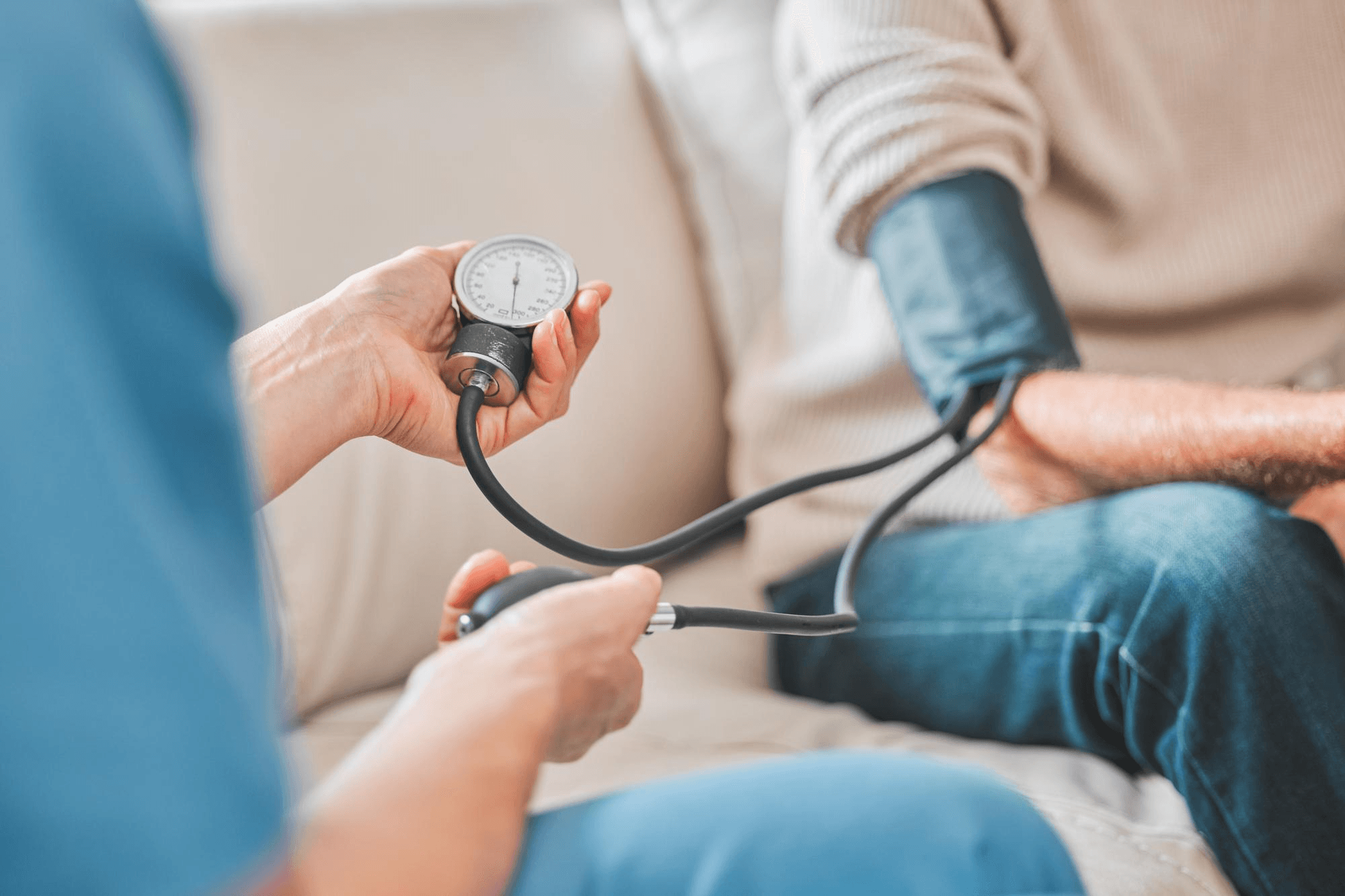
High blood pressure, or hypertension, occurs when this force consistently exceeds normal levels. The American Heart Association defines high blood pressure as readings of 130/80 mmHg or higher. When your blood pressure remains elevated, it forces your heart to work harder and can damage your arteries over time.
Blood Pressure Categories:
- Normal: Less than 120/80 mmHg
- Elevated: 120-129 and less than 80 mmHg
- Stage 1 Hypertension: 130-139/80-89 mmHg
- Stage 2 Hypertension: 140/90 mmHg or
Understanding these categories helps you and your healthcare provider determine the best treatment approach. Even slightly elevated blood pressure can increase your risk of heart disease, stroke, and other serious complications.
“High blood pressure is often called the 'silent killer' because most people feel completely normal while their arteries suffer damage…”
Symptoms and Warning Signs
High blood pressure is often called the "silent killer" because many people have no symptoms. However, some individuals may experience headaches, shortness of breath, or nosebleeds when blood pressure reaches dangerously high levels. These symptoms typically occur only when blood pressure has reached a life-threatening stage.
Most people with high blood pressure feel completely normal. This is why regular blood pressure checks are essential for early detection and prevention of complications.
Seek immediate medical attention if you experience:
- Severe headache with vision changes
- Chest pain or difficulty breathing
- Irregular heartbeat or heart palpitations
- Confusion or difficulty speaking
- Blood pressure readings above 180/120 mmHg
These symptoms may indicate a hypertensive emergency, which requires immediate medical intervention to prevent organ damage or life-threatening complications.
Causes and Risk Factors
High blood pressure typically develops gradually over many years due to a combination of lifestyle factors, genetics, and underlying health conditions. Understanding these risk factors can help you take preventive measures and work with your healthcare provider to manage your blood pressure effectively.
Lifestyle Factors
Several lifestyle choices significantly impact blood pressure levels. A diet high in sodium, processed foods, and saturated fats contributes to hypertension development. The average American consumes nearly twice the recommended daily sodium intake, primarily from restaurant meals and packaged foods.
Physical inactivity, excessive alcohol consumption, and smoking also increase your risk. Chronic stress and poor sleep quality can elevate blood pressure through various hormonal and physiological mechanisms. Additionally, being overweight or obese puts extra strain on your cardiovascular system.
Medical and Genetic Factors
Age is a significant risk factor, as blood vessels naturally become stiffer and less elastic over time. Family history plays an important role, with genetics accounting for approximately 30-50% of blood pressure variation among individuals.
Certain medical conditions can cause secondary hypertension, including kidney disease, sleep apnea, thyroid disorders, and diabetes. Some medications, including over-the-counter pain relievers, decongestants, and birth control pills, can also raise blood pressure.
Lifestyle Modifications
The DASH (Dietary Approaches to Stop Hypertension) diet has been proven to lower blood pressure significantly. This eating pattern emphasizes fruits, vegetables, whole grains, lean proteins, and low-fat dairy while limiting sodium, red meat, and added sugars. Following the DASH diet can reduce systolic blood pressure by 8-14 mmHg.
Weight management plays a crucial role in blood pressure control. Even losing 2-5 pounds can make a meaningful difference. Limiting alcohol intake to moderate levels and quitting smoking also provide significant cardiovascular benefits.
Regular physical activity is equally important. Just 30 minutes of moderate exercise most days of the week can lower blood pressure by 4-9 mmHg. Activities like brisk walking, swimming, cycling, or dancing all provide cardiovascular benefits.
“Even losing 2-5 pounds can make a meaningful difference in your blood pressure readings and overall cardiovascular health.”
Medication Options
When lifestyle changes aren't sufficient to control blood pressure, medications become necessary. Several classes of blood pressure medications work through different mechanisms:
- ACE inhibitors relax blood vessels by blocking hormone production
- ARBs (Angiotensin Receptor Blockers) block hormone action directly
- Diuretics help kidneys remove excess sodium and water
- Calcium channel blockers relax blood vessel muscles
- Beta-blockers reduce heart rate and cardiac output
Your doctor will determine the best medication based on your specific situation, other health conditions, and how you respond to treatment. Never stop taking blood pressure medications without consulting your healthcare provider, even if you feel better. Sudden discontinuation can cause dangerous blood pressure spikes. Many people require combination therapy with multiple medications to achieve optimal blood pressure control.
“Never stop taking blood pressure medications without consulting your healthcare provider, even if you feel better.”

Frequently Asked Questions
How often should I check my blood pressure?
Adults with normal blood pressure should have it checked at least once every two years. If you have elevated blood pressure, pre-hypertension, or other risk factors, your doctor may recommend more frequent monitoring, possibly every 3-6 months. People with diagnosed hypertension may need to monitor their blood pressure at home regularly.
Can high blood pressure be cured completely?
While high blood pressure cannot be "cured" in most cases, it can be effectively controlled through lifestyle changes and medications. Many people can achieve and maintain normal blood pressure readings, significantly reducing their risk of complications. Some people with secondary hypertension may see their blood pressure normalize if the underlying condition is treated.
What foods should I avoid with high blood pressure?
Limit sodium intake to less than 2,300mg daily, with an ideal target of 1,500mg. Avoid processed foods, canned soups, deli meats, fast food, and restaurant meals, which are typically high in sodium. Also limit saturated fats, trans fats, added sugars, and excessive alcohol consumption.
How quickly can lifestyle changes lower blood pressure?
Some people see improvements in blood pressure within 2-4 weeks of making dietary changes and increasing physical activity. However, it typically takes 3-6 months to see the full benefits of sustained lifestyle modifications. The most significant improvements usually occur within the first few months of consistent healthy habits.
Is it safe to exercise with high blood pressure?
Yes, regular exercise is one of the most effective ways to lower blood pressure. However, if you have severe hypertension (over 180/110 mmHg) or have been sedentary, consult your doctor before starting an exercise program. Most people with high blood pressure can safely engage in moderate-intensity activities like walking, swimming, or cycling.

Find the best endocrinologists near you
Connect with top-rated, board-certified endocrinologists in your area. Available for video consultations or in-person appointments.